Wildlife At The Outpost
Close Encounters Of The Cabin Kind
 One of the great joys of The Outpost is
observing all the critters that inhabit the area. We have a large biodiversity
of all sorts of animals and have taken many steps to preserve and aid in the
animal populations on the property. Who hasn’t been thrilled at the sight of a
hawk soaring overhead? And watching wild turkeys or deer graze by the feeder as
you sip your morning coffee? Or the hummingbirds battling for governance of the
nectar feeders? But how do you feel when the varmints munch on the contents of
your cooler? Or a raptor suddenly swoops down and flies off with Little Sparky?
Not so much...
One of the great joys of The Outpost is
observing all the critters that inhabit the area. We have a large biodiversity
of all sorts of animals and have taken many steps to preserve and aid in the
animal populations on the property. Who hasn’t been thrilled at the sight of a
hawk soaring overhead? And watching wild turkeys or deer graze by the feeder as
you sip your morning coffee? Or the hummingbirds battling for governance of the
nectar feeders? But how do you feel when the varmints munch on the contents of
your cooler? Or a raptor suddenly swoops down and flies off with Little Sparky?
Not so much...
We have taken many steps to mitigate any animal issues that may arise: Some of these include installing a boar-proof fence, mice proofing the cabin, installing feeders to lead the animals away, and regular pest control. There is also a can of wasp spray outside, insecticide inside in case you need it, and there is scorpion spray in the hot tub stairs. But no matter what we do, you are out in the middle of the wilderness and animals/insects will still find their way onto the porch or into the cabin. Just give us a call so we can address any issues immediately.
Whether the conflict involves cattle
crashing gates, bats invading the porch overhangs or boars tearing into the
deer feeders depends on the time of day or time of year. Getting along with the
natives at The Outpost can have a learning curve, but there are ways to
co-exist. Here are some tips for how to live and let live. 
Who The Wild Things Are: The first step is knowing who you’re dealing with. Can you identify the animals that live at The Outpost? We have a large library of books and guides to help you out. Some animals you will need to avoid, while others just want your food. Here’s a few of the animals that are commonly seen at The Outpost. Please do not kill or harm any of the animals, birds, or insects at The Outpost. Animals that could potentially be a threat are starred *:
ANTHROPODS:
* Black Widow Spider, various species
* Brown Recluse Spider
* Centipede, Red
* Scorpions, Striped Bark (yellow – brown)
Camel Spider
Daddy Longlegs
Golden Silk Orb Weaver
Jumping Spider
Radiated Wolf Spider
Spiders, various species
Tarantulas, various species
BIRDS:
* Bald Eagle
* Crested Caracara (Mexican Eagle)
* Golden Eagle
* Owls, various species
* Peregrine Falcon
* Red-Tailed Hawk
Black Vulture
Blue Bird
Blue Jay
Doves, various species
Hummingbirds, black-chinned & Ruby-Throated
Painted Bunting
Purple Martin
Red Cardinal
Road-Runner
Songbirds, various species
Wild Turkey
INSECTS:
* Blister Beetle
* Kissing Beetle
* Wasps, various species
Assassin bug
Beetles, various species
Butterflies, various species, especially all 3 species of Monarchs
Cicada
Dung Beetle
Grasshoppers, various species
Japanese Beetle
Katydid
Locusts, various species
Moths, various species
Praying Mantis
Walking Stick
MAMMALS:
* Black bear - rare
* Bobcat
* Boar (feral hogs)
* Cattle, various species
* Coyotes
* Mountain lions - rare
* Porcupine (quills)
* Skunks, various species
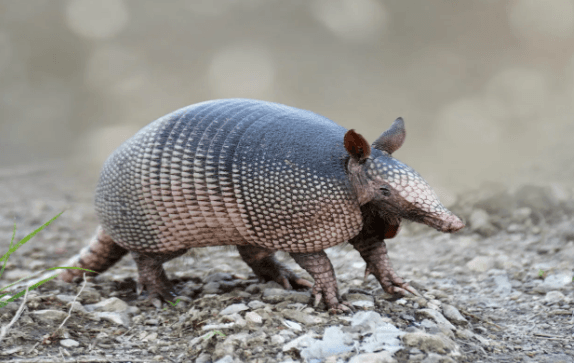
Armadillo
Black Long-Tail Cat
Brazilian Free-Tailed Bat
Deer, White-tailed, Axis, & Mule
Fox, Red and Gray
Long-Eared Jackrabbit
Mexican Free-Tailed Bat
Mice, various species
Opossum
Rats, various species
Raccoon
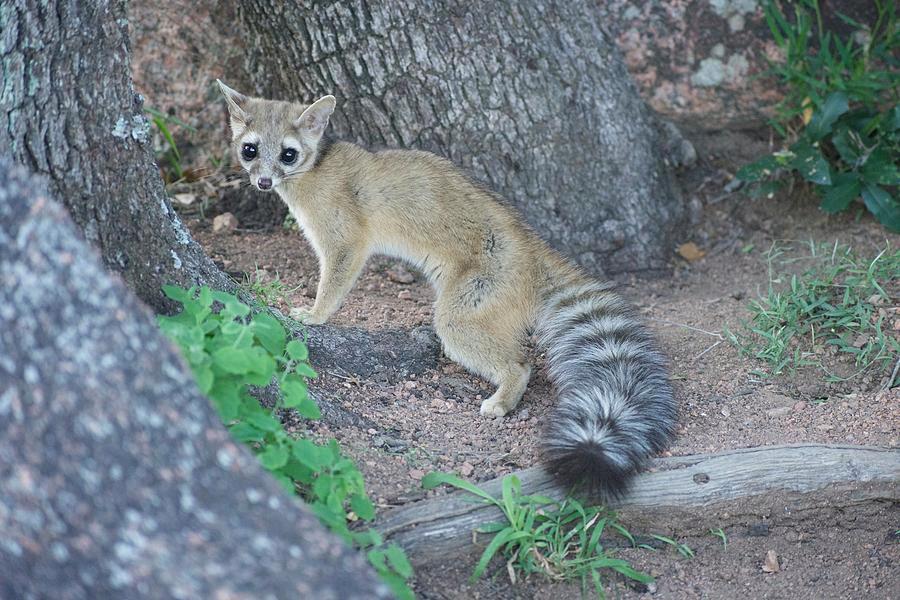
Ring-Tailed Cat
Squirrels, Black & Brown
REPTILES:
* Copperhead
* Coral Snake
* Dragon, Smaug
* Rattlesnakes, various species
* Water Moccasin
Blind Snake
Gray Tree Frog
Lizards, various species
Northern Garter Snake
Texas Spiny Lizard
Texas Spotted Whiptail Lizard
Texas Alligator Lizard
Toads, various species

Keeping A Safe Distance: No
matter how cuddly a critter appears, never attempt to touch it. Wildlife is
unpredictable. Most species are afraid of humans and will avoid you if
possible. But if an animal is startled or feels threatened, it may fight tooth
and claw to defend itself. Shouldn’t you rescue that baby bird, though, that
fell out of the nest? Actually, according to the Audubon Society, many young
birds spend up to five days on the ground before they can fly. Most likely,
mamma and papa are close by and feeding it. The same goes for the, “orphaned”
fawn you nearly stumbled over in the woods. It is simply hiding and waiting for
you to leave. You can observe young animals from a distance, but it’s best to
leave them alone. We have also provided a pair of binoculars for wildlife
viewing, and a UV flashlight for spotting scorpions in warmer weather. Feeding Animals: Some of the deer, raccoons, and
cattle are friendly enough to take food from your hands – this is a bad idea as
you might return home missing a finger. Do not throw uneaten food over the
fence as you will attract boar closer to the cabin. Birdseed is not just for
the birds. Bird feeders in cabin country are like buffets for wildlife. Besides
squirrels, they attract mice that eat fallen seed, along with predators like
owls and fox who eat mice. And then there are moochers like raccoons, porupines, deer and
rabbits. We don’t need to remind you not to leave bowls of dog food outside on
the porch, right? Or by the firepit? Or in your car? And of course, you wouldn’t leave garbage
outside where skunks or raccoons can get into it. Also important -- always
strap the trash can lid down with the cords – raccoons are pretty smart
and can operate a trash can lid.
Feeding Animals: Some of the deer, raccoons, and
cattle are friendly enough to take food from your hands – this is a bad idea as
you might return home missing a finger. Do not throw uneaten food over the
fence as you will attract boar closer to the cabin. Birdseed is not just for
the birds. Bird feeders in cabin country are like buffets for wildlife. Besides
squirrels, they attract mice that eat fallen seed, along with predators like
owls and fox who eat mice. And then there are moochers like raccoons, porupines, deer and
rabbits. We don’t need to remind you not to leave bowls of dog food outside on
the porch, right? Or by the firepit? Or in your car? And of course, you wouldn’t leave garbage
outside where skunks or raccoons can get into it. Also important -- always
strap the trash can lid down with the cords – raccoons are pretty smart
and can operate a trash can lid.
With that said, the following animals are regular moochers at the cabin and thus have earned a name – please take care of them. You may leave food out for them if you want to catch a glimpse, outside the fence, if you so desire. Here are their names and where they frequent the most:
1. Captain Fat Slacks: A ginormous raccoon. South-East fence. Likes tuna, bread, dog food; pretty much anything. Nocturnal.
2. Porky: A huge porcupine. Cabin deer feeder. Loves corn. Nocturnal.
3. Tod: A beautiful grey fox. East fence. Anything chicken or dog food. Diurnal.
4. Beep-Beep: A pair of road runners. They roam all around and on the fence. They like fruits, seeds, and meal worms. Diurnal.
5. King Julien: A ring-tail cat: South-East fence. Prefers tuna, chicken, fruits, and berries. Nocturnal.
6. Jerry: A jolly Texas Deer Mouse that lives in the base of the tree next to the bird bath. Diurnal.
7. Slinky & Dink: A pair of whip-tail lizards that hang out around the firewood and driveway. Diurnal.
8. Norman Bates: A psychotic red male cardinal that will tap on the south windows, fly around your automobile mirrors, and sit on the rocking chairs. He's crazy. He likes sunflower seeds. Diurnal.
9. Smaug: A Texas Spiney Lizard that lives in the tree next to the bird bath. He likes meal worms. Diurnal.
10. Dujor & Rhosgobel: A pair of cottontail rabbits that meander around the front lawn. You can place lettuce, parsley, banana slices, apple slices, and carrot tops along the south fence in the grass. Nocturnal.

Practice Pet Etiquette: Dogs can kill birds and small critters. If you do let your dog out during the day, a large bell on his collar can minimize, “gifts” left on the door mats. Keep the courtyard gates always closed so your dog will not escape, as well as to keep out other animals. Your small dogs may be at risk themselves when outside and unsupervised. Keep your dog’s rabies shots up to date. Llano County, about 21 miles away, is the annual winter migration of the Bald Eagles, so if you don’t want these birds to spirit Little Sparky away, keep him in sight. Listening to the coyotes at night can be quite a thrill but remember that coyotes hunt in packs and may view your dog as prey. And walk your dog on a leash lest he get chummy with a porcupine or a skunk.
Please also follow these tips to minimize animal damage:
1. Keep the courtyard gates closed to keep out the cattle & wild animals.
2. Do not leave food on the porches or firepit.
3. Always strap the blue trash can lid down.
4. Do not leave trash bags on the porch.
5. Do not leave coolers outside.
6. Do not leave food in your vehicles or in the bed of your truck.