Rock Hounding

Rockhounding is the recreational hobby of searching for, finding, and collecting rocks, minerals, crystals, gemstones, and fossils in their natural outdoor environments. You are in the #1 prime location in all of Texas for such an activity!
The owner is a rock hound by nature and this is his personal guide of locations were we have found specimens of rocks, fossils, artifacts, and gemstones. It is not intended to be all-inclusive.
Outlying Areas:
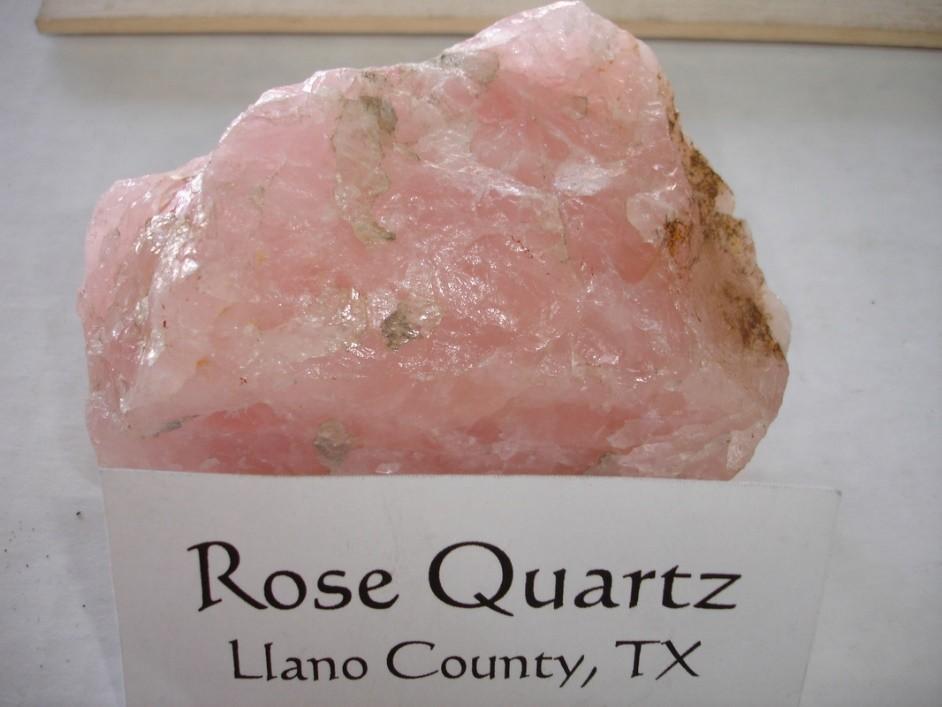
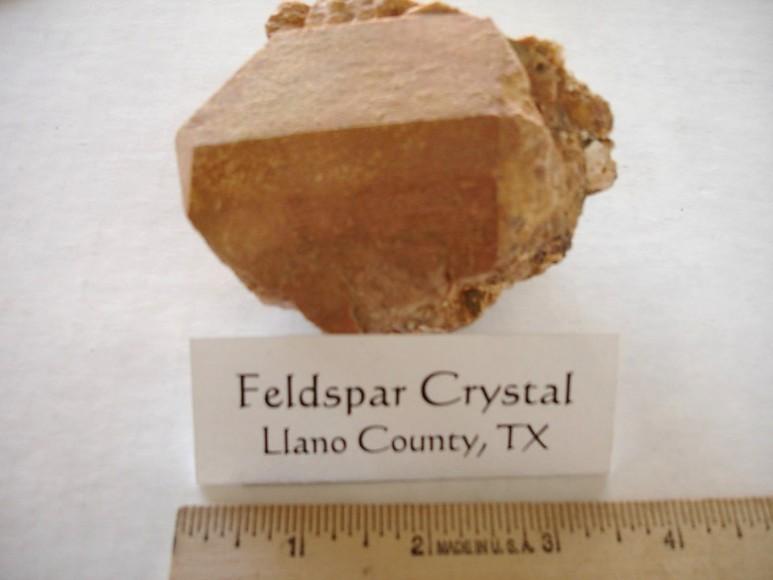
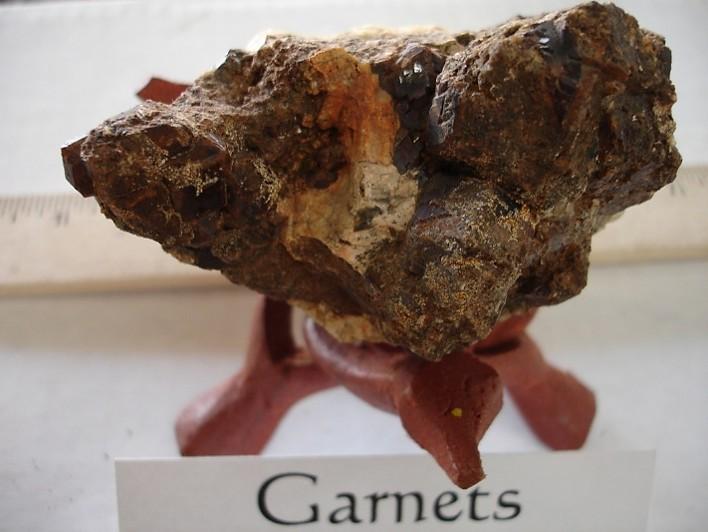
Llano Rock Hunting - The more than 260 different types of minerals in Llano and the surrounding counties brings an entire new meaning to picker’s paradise. Llano sits directly on the Llano Uplift, a geologic dome exposing 1.5-billion-year-old Precambrian rocks.
Spots -
1. There is a popular public rock bar along the Llano River where you can search the shallow riverbed and exposed bedrock for quartz, chert, jasper, and occasional llanite. Llano River Public Access Entry Point, near downtown Llano: Lat=30.7503786438, Lon=-98.6668755605.
2. Old Mason Road Pegmatite, Mason County: N 30°49.538’, W 99°14.156’ .
3. White Eagle copper-silver mine where the landowner requests $10 (US) per person per day to dig copper minerals.
4. Kingsland Slab. A popular, free public swimming hole and granite outcropping on the Llano River located off Ranch Road 3404 in Kingsland, Texas. Perfect for flint, chert, quartz, and unique xenolith formations.
Llanite, a rare blue quartz found only in Llano Texas.
Llanite Outcropping - Located on Texas State Highway 16, about 9 miles south of Llano (just past Baby Head Cemetery) is a publicly accessible outcropping of llanite on the side of the road. It is located on the crest of a ridge where a llanite dike crosses Highway 16, forming a prominent outcrop on both sides of the road. There is a small gravel pullout on the side of the road next to the roadcut where you can park. Bring a rock hammer, safety goggles, and gloves -- it is an extremely hard rock.

Gypsum Crytal Mine (the Natural Gypsum Company) - You can gather very large gypsum crystals off the side of the road near the gypsum mine. From The Outpost, turn right and go down Keese Rd. Turn right on Gypsum Mine Dr. and follow it for about 4 ½ miles. The best spot is on the right side of the road. Make sure you only gather crystals on the public right-of-way and do not trespass onto the mine’s property.

The Gypsum Mine is partially visible from the road.

A gypsum crystal.
Pink Granite - Pink granite is what makes this area so beautiful, and The Outpost has some big specimens of pink granite on both sides of the front porch steps. When you leave The Outpost, turn left and stay on Keese Rd. You will pass Keese-Sagebiel Rd. on your left. Shortly after that, you will drive up a steep hill and you will need to stay on your right. On the other side of the hill, there is a nice oak tree with a pink granite outcropping. Do not park on the right side of the road once you go over the hill – turn around and park a good distance from the tree. Stay on the right of way and do not go onto private property.

The granite outcropping.

Pink granite samples.
Crabapple Creek - Right off of RR965 is Crabapple Creek. The public right-of-way areas 25 feet to the left and right of the bridge are accessible - any further and its private property. The rock is made up of granite, limestone, schist, gneiss, and quartz.

Crabapple Creek.
On-Site at The Outpost:
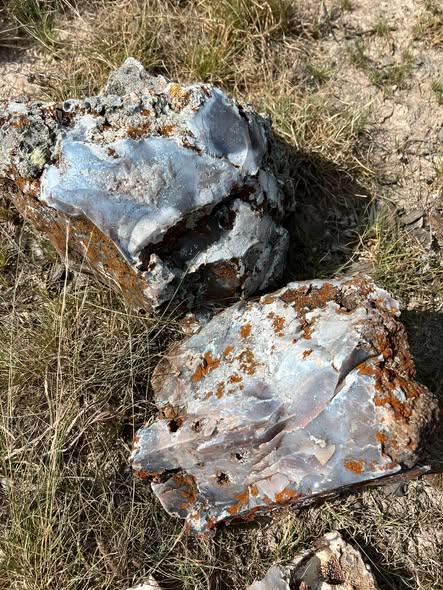
The Outpost has numerous types of geological specimens, fossils, and Native American Artifacts. You can find limestone shell fossils such as spiral, bivalves, and coral samples. Also plentiful at The Outpost is flint, quartz, jasper, and Texas agate, which is common down the path towards the cliffs.
There are numerous Native American Comanche artifacts, probably due to the abundant deer, turkey, and small game, as well as the creek in the canyon. Arrowheads, spearheads and pottery have all been found at The Outpost.
Please note there are 2 Indian burial mounds on property, most likely Comanche. To protect the mounds we have not marked them and we cannot tell you where they are located. It is not confirmed that these are burial mounds, but in typical burial fashion in hard rocky areas, they are above ground, near trees, they are aligned to face West towards the canyon into the setting Sun, and they face where there is a body of running water. We are not disclosing the location, but if you discover them, please exercise the utmost respect and under no circumstances are you to disturb, dig around, or remove any of the burial stones – this is a felony offense under The Native American Graves Protection and Repatriation Act (NAGPRA). Any objects, arrowheads, pottery, etc., that you find in that burial area MUST NEVER BE TOUCHED OR REMOVED!

Samples of specimens found at The Outpost.
Texas Agate & Jasper - Texas is famous for its rich deposits of agate and jasper. Both stones belong to the microcrystalline quartz family known as chalcedony and share a hardness rating of 7 on the Mohs scale. Agate: Translucent or transparent, showing light through the stone. It often features distinct color bands, fortifications, mossy patterns, or plumes. Jasper: Completely opaque, blocking all light. It typically displays rich, solid, or mixed earthy colors like red, brown, yellow, and green due to mineral impurities.
 Polished samples of agate and jasper found on property.
A polished piece of jasper.